

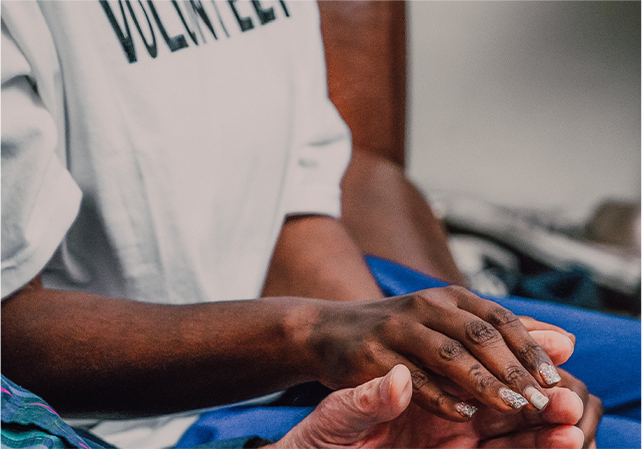

MAKE it happen
Let’s reach out our hands into the darkness and pull others into the bright future. Because There’s nothing more satisfying than seeing a smiling face around.



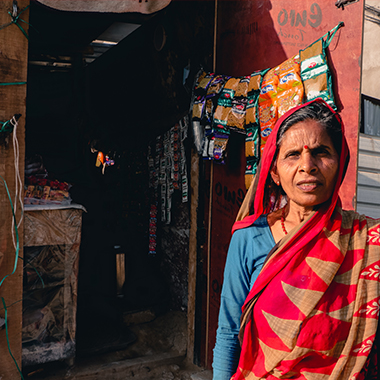
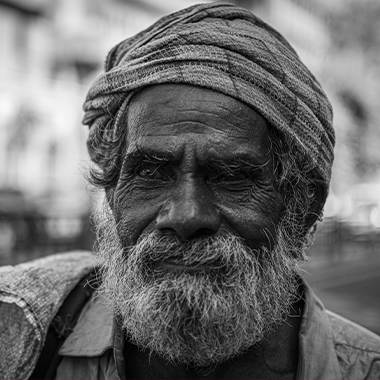

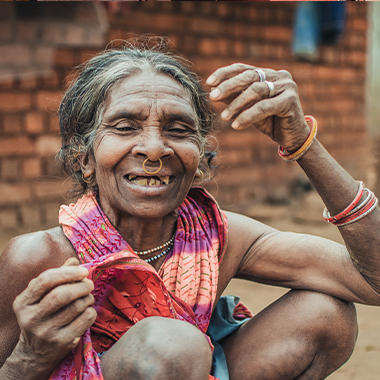



I have had the privilege of volunteering with Richa Foundation, and it has been an incredibly rewarding experience.

I cannot express enough gratitude for the incredible work done by Richa Foundation.

Richa Foundation’s impact on the lives of small vendors is immeasurable.
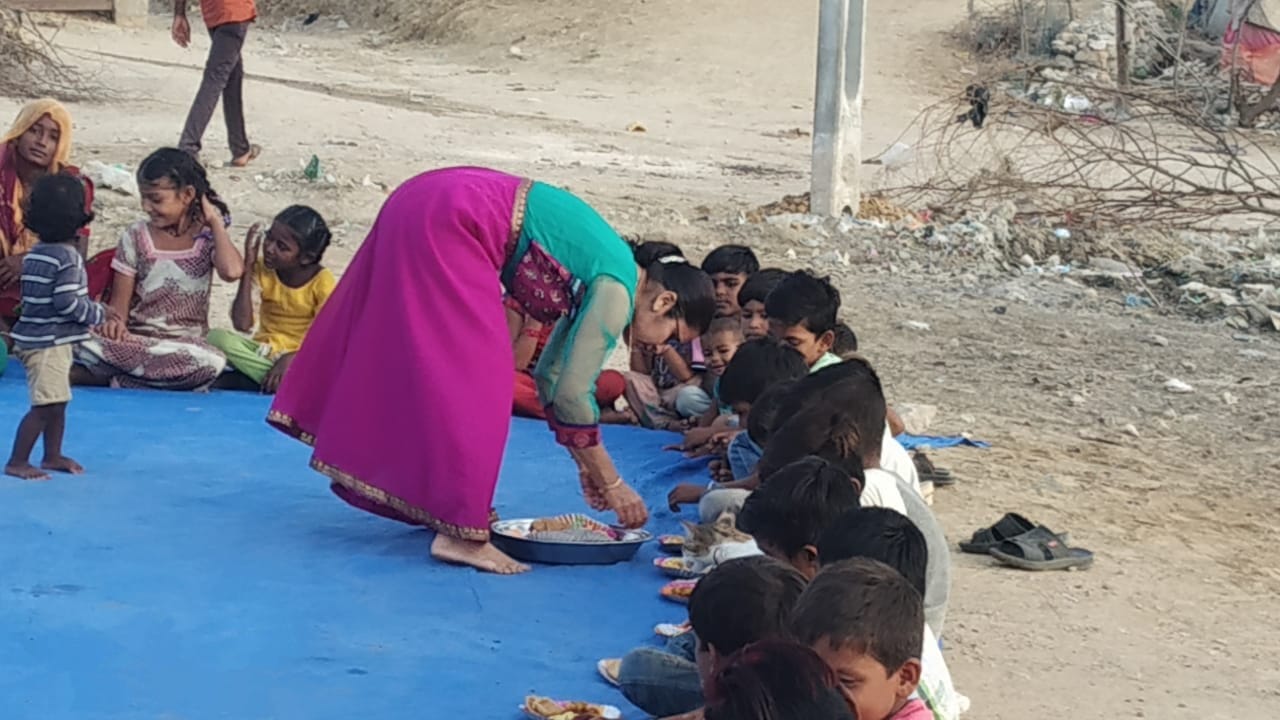
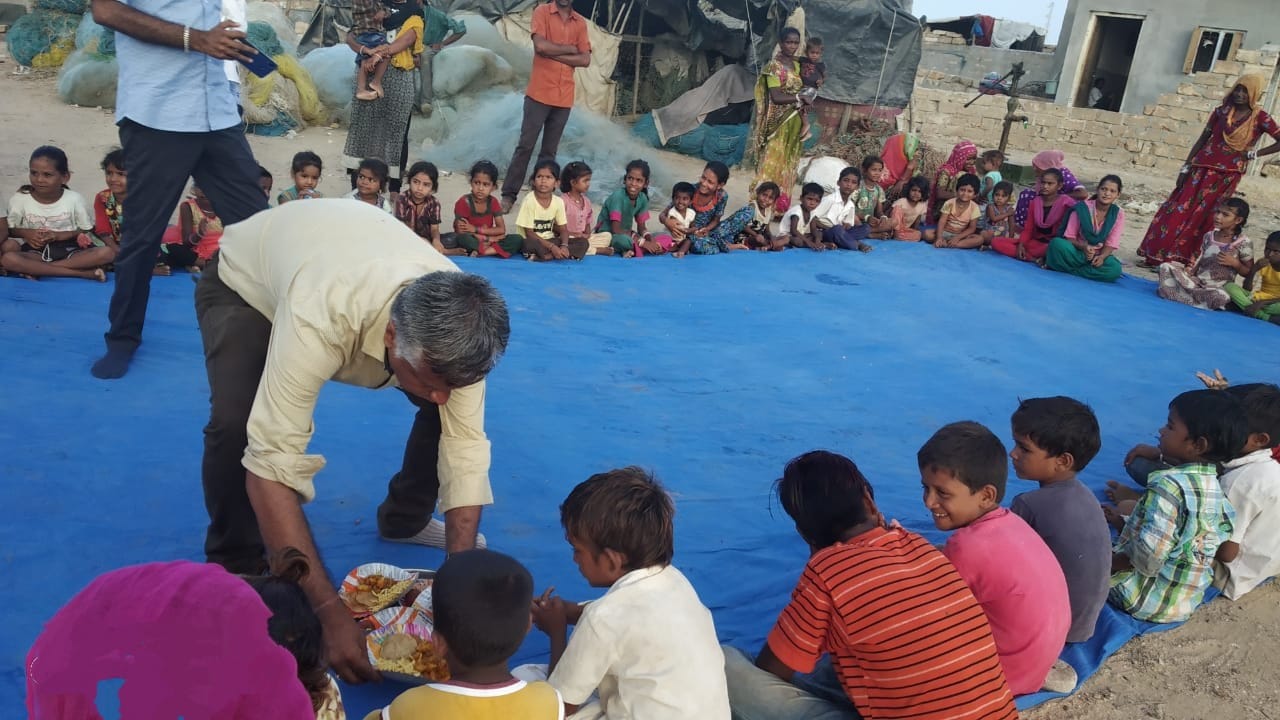
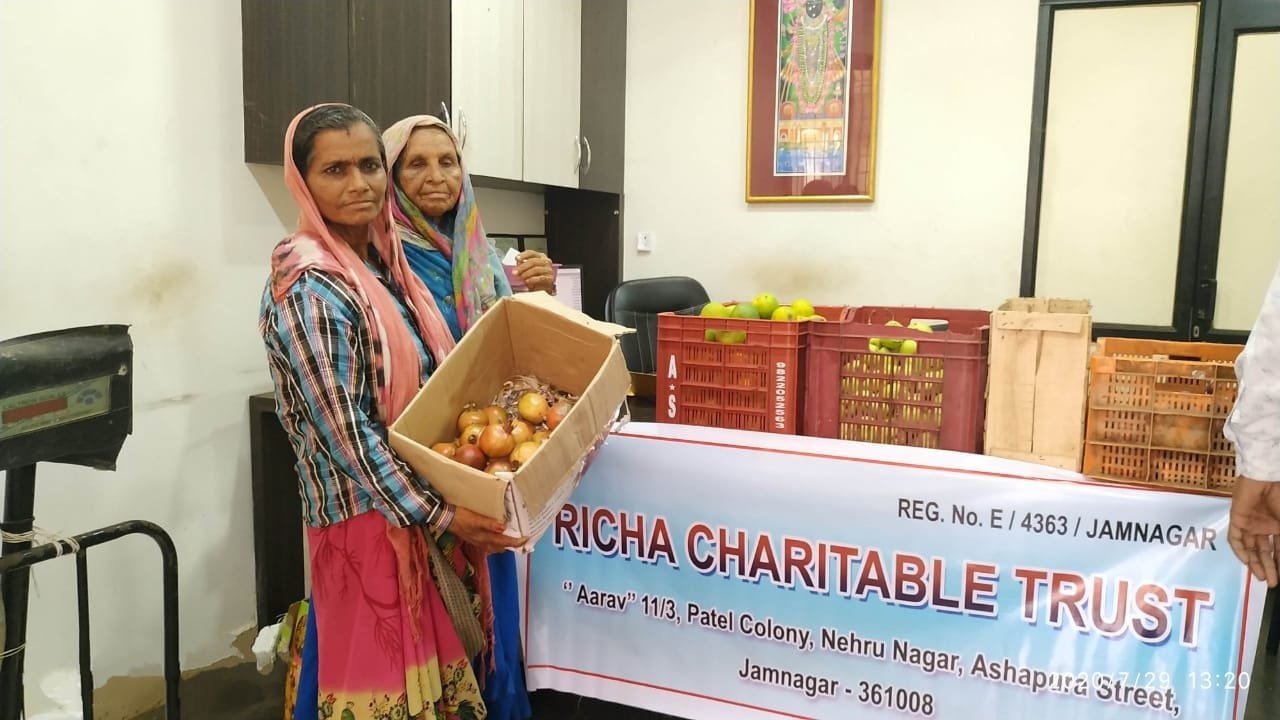
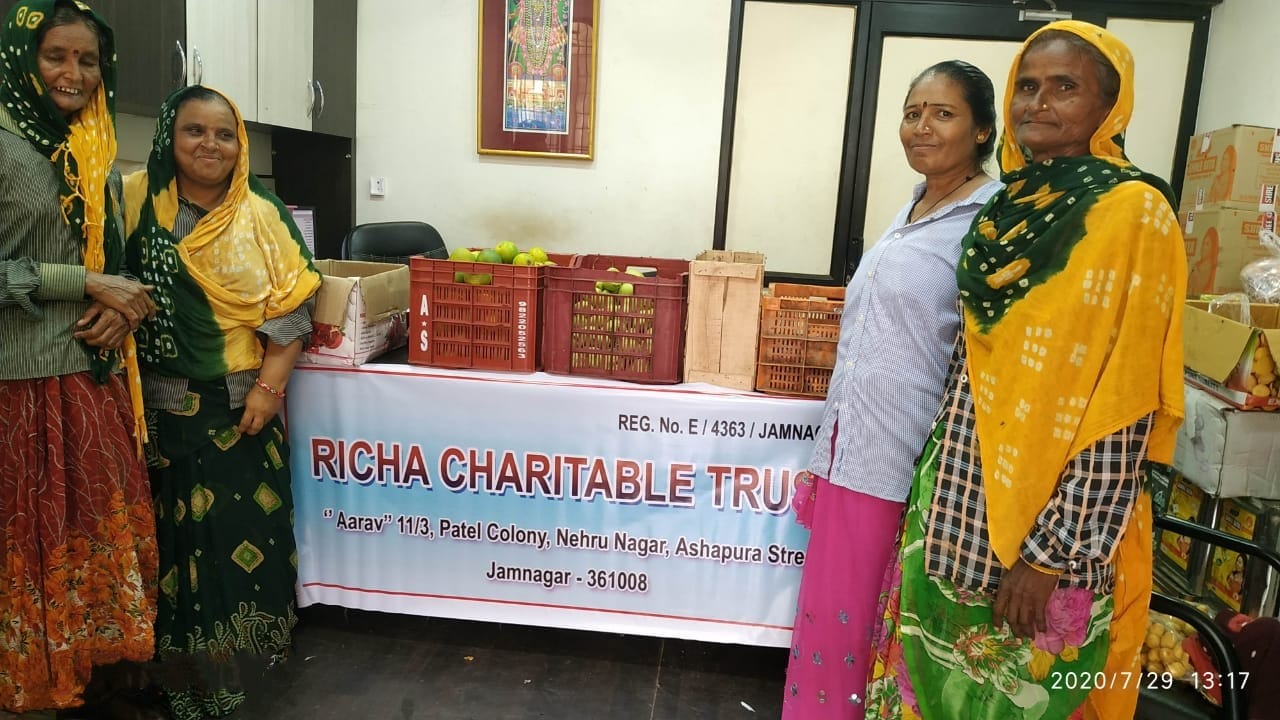
Our country is home to millions of poor children and communities who have very little means in life. Many of them even strive to get the basic needs of life: food, hygienic water, enough clothing, and a roof over their head. Despite significant progress made in the socio-economic world since independence, even today, almost 25% of India’s population exists below the poverty line, as per the World Bank survey. This tells that a massive 280 million people in our country survive on less than 80 rupees per day on spending power parity. In such a case, interventions by charities and NGOs become extremely important along with the initiatives and schemes rolled out by the government.
The solution to tackling deprivation does not lie in doling out help to the needy. The priority here should be on training them with all the essential tools, quality education, proper healthcare security, and safety, professional skills, etc. so that the underprivileged can attain personal monetary growth and in turn contribute to their own, community’s, and country’s development.
Here are some ways in which you can contribute your bit to fighting poverty:
1. Money Donation to an NGO is a great way of helping poor
NGOs like the Richa foundation are empowering children of today who are the future of the country with the right methods and paving the way for them to move ahead in life. The organization is helping poor children get an opportunity at a fulfilling childhood by helping them with quality learning opportunities, providing healthcare, security from harm and abuse, and solace and rehabilitation during calamities and crises. The idea is to empower the most underprivileged children of India to grow up into mature, skilled, and healthy adults who can achieve a decent career and leave behind a life of deprivation.
2. Become a fundraiser
If you’re committed to working for the cause of the poor children and communities in India, then you have a chance to go much beyond contributing money. You can use your social status and initiate different types of fundraising movements. This includes social events, marathons, birthday fundraisers, concerts, etc. The latest in the idea of fundraising is Crowdfunding via social media.
3. Volunteer with a charity
Interested in helping the poor beat poverty? Then apart from your cash donation, you should also offer your efforts and time to the cause. There are opportunities galore here. For example, you can teach children at an NGO’s learning center or take up a pro bono job with a charity. You can manage a community kitchen for the poor or you can conduct enrolment drives for slum children and help them reach schools. If you’re a young fellow who is a student or someone who has just completed academics, you can pick up a summer internship with an NGO where you can get practical training on how social welfare programs are carried out on the ground. Don’t forget, you must focus your efforts on giving benefits to the poor people you work for. Volunteering demands to be a wholly selfless practice.
4. Serve as a campaigner for the cause
Spreading the word about poverty is equally important as working to alleviate it. This is because the more the community knows and realizes the cause there are more possibilities of them getting aware in the process of working towards managing it. Join a movement that seeks to address issues of lack of shelter, education, healthcare, etc. for poor communities and be a torch-bearer. These days, you have the tremendous power of social media at your disposal which can be leveraged efficiently to make noise.
5. Give service as an educator
You can involve yourself in giving knowledge to the poor. This will benefit the poor and destitute to feel on their feet. Education is the introduction to getting out of life’s difficulties and getting free from the cycle of poverty. Providing free education to poor and underprivileged people helps them lead better lives.
There are many means and ways to empower the needy but nothing works better than donating to an organization committed to helping poor children and communities fight poverty. Not only do you bring about differences on the ground, but you also get donation tax advantages as an added benefit. Apart from money, becoming a volunteer, serving as a fundraiser, and campaigning for a purpose are some other ways to fight the menace of deprivation in India.
We all know small enterprises are an important part of our society across the planet, so we’ve gathered some actionable tips for waking up to the power of the shopkeeper’s nation and supporting small businesses.
Let’s understand that If we support and step up small businesses now, they will stand a better opportunity of surviving.
Small businesses and shopkeepers offer a favorable impact on their neighborhoods by creating more job vacancies and keeping money circulating in nearby local economies.
Shopkeepers and small businesses can create a big impact on the national economy as well. For instance, Indian small businesses contribute almost 30% of India’s GDP.
Shopkeepers and Small businesses preserve the unique identity of their local communities and develop a multiplier effect. Locally made creations can attract buyers and tourists to that particular community, adding to that area’s incoming revenue. For instance, Some small Indian enterprises preserve India’s textile heritage, including world-famous fabric prints, handcrafted ties and dye, and silk sarees
Here are some ideas on ways to support beyond just spending money:
Small and Easy step is vocal for the local
Buy locally created and traded products over those from a famous brand. Need a new piece of clothing or household device? Stop ordering from multinational brands and visit the local shopkeeper first.
Express them some respect
Discover small businesses online or in your nearby area. Appreciate and testify on their social media handles, or even support them by spreading word of mouth on your account. Put a favorable review on their website or other enterprise review sites. Refer to your family and friends about them and motivate them to shop small as well.
Give some extra efforts
If reasonable, never cancel current memberships during your region’s lockdown or limited-capacity duration. Purchase gift cards from them to use later when the enterprise in your area is more strong. Buy some of their products in quantity now to use overtime to give the small business revenue now when things are difficult.
Encourage them
Give your assistance for free. If you can spare some free time during that period and can give necessary benefits like creating social media handles, web development, equipment repair, or even social media guidance, consider offering your services to support shopkeepers and small businesses. Some local NGOs may even be able to accept monetary donations.
Natural disasters, like earthquakes, floods, wildfires, or climatic events, can take place close to us or far away. But when we learn about calamity, it has some impact on us. We feel for the community that might be damaged and the people who have lost a dear one, home, and employment. It has an intense effect if you know the community that is affected.
If it’s an incident your kids are conscious of, talk with them about what they’ve understood and how they think. They will likely be sensible for the people affected, too. Learning what others are passing through may make children feel stressed, sad, or upset. To help them confront, attend calmly. Let them say how they feel. Let them realize it’s OK to think the way they do. Help them feel comfortable.
When it seems right, you might also talk about how we could help those suffering people. When you express to kids how to turn their empathy into positive action, they realize even they can make a change in the world.
How Can We Facilitate this?
Many organizations are set up to help people during a calamity. The best thing you can do is to help them. They know what is required for every situation. They can show you how to give. Visit the websites of such organizations to find out what they require. It’s OK if you don’t have a lot to donate. Every donation, small or big, benefits rehabilitating when communities are hit by natural disasters.
What can you give?
Donating money invariably helps. But it’s not the only thing you can do. Here are a few other ways that you and your family can help out:
Provide food or other items. Check with your local Red Cross branch, community center, or area of worship to find out what they require. Sometimes, charities get a flood of donations and have to use up money, handling and storing the extra items. So ask what’s expected before you give.
Give your time. Propose to support sort through donations or deliver goods to people affected by the calamity.
If possible, organize a fundraiser. Start a campaign to collect supplies or money for disaster sufferers. Or plan a run, walk, bake sale, or another movement to raise money. A good spot to do it is through your place of worship or your children’s school.
Why does It make a difference?
Offering your money, time, or measures can help the suffering community — and others — in a time of necessity. It’s also a way to teach your children to value offering. Times you devote to helping others, especially as a family, are times children will always remember. It’s thoughtful and helps you feel closer.
Donating and helping deepen positive feelings like gratitude and compassion. These sentiments feel good. And they make us good, too. They build handling skills, calm down our stress response, and benefit our mental well-being. And that’s good for everyone.
For all young girls today, existence is not easy. A happy upbringing with resources to discover, play and feel safe is yet a distant probability. Deprived of their basic rights and loaded with adult roles, adolescents are frequently exposed to work exploitation, trafficking, social withdrawal associated with an early wedding, morbidity, or mortality as a result of earlier pregnancy and childbirth-related difficulties, sexual abuse, and domestic violence.
Living as an adolescent girl in times of conflict or war means even greater risks than an adolescent boy. In any corner of the world, adolescent girls are equally helpless in conflict crises and situations. Besides, there are yet many “forgotten crises’ ‘ across the world, to which nobody pays attention.
Girls who are fleeing or live in tense zones, or girls who have been shifted as an effect of environmental change, natural calamities, or war, face crucial and devastating effects. Research has proved, for example, that when crises or conflicts shift adolescent girls from their schools and homes, their schooling is disrupted, exposing them to a high risk of exploitation and making them even more helpless to gender-based and sexual violence, forced earlier marriage, and earlier pregnancy.
Particularly harming girls during this critical stage of development, these traumas have a wider impact. They can pose a severe threat to peace and hamper efforts to achieve sustainable development. When girls are wedded off early, they generally drop out of school. When they drop out of school, they are normally unable to acquire the personal and professional skills that lead to the type of career that can yield a steady income and enable them to empower their families. The negative effects snowball, limiting efforts to create a safer and more fair world.
Many international standards have been defined to ensure the protection of women and girls from discrimination and violence and to entrust them to lead their communities toward a more friendly, wealthy, and fair future. However, while they are a worthy beginning point, none of these norms focuses on the specific demographic of girls in crisis settings. We are all aware that this is glaring negligence in today’s world, where girls are increasingly targets of exploitation and violence.
Adolescent girls have the strength to be meaningful agents of positive change in their communities, in the center of conflict and crises as well as in periods of peace. They deserve to be accepted seriously, especially in matters that question them directly. As for us adults, we must give them all the help we can.